Stockholm 2026
Analysis
Stockholm is the anomaly of the indoor season. It is a clearly slower indoor tournament than the norm, which really sets it apart from the other indoor tournaments in the fall. The balls used in Stockholm are relatively heavy, the play depends more on tactics than pure offensive spectacle, and the serve loses a large part of its usual dominance indoors.
Stockholm rewards smart counterpunchers, reliable baseline players, and excellent returners. Ruud, Paul, and Monfils — the last three champions — do not share the same playing style, but they all have in common a reliable return and an ability to construct points patiently from the baseline without trying to accelerate too early.
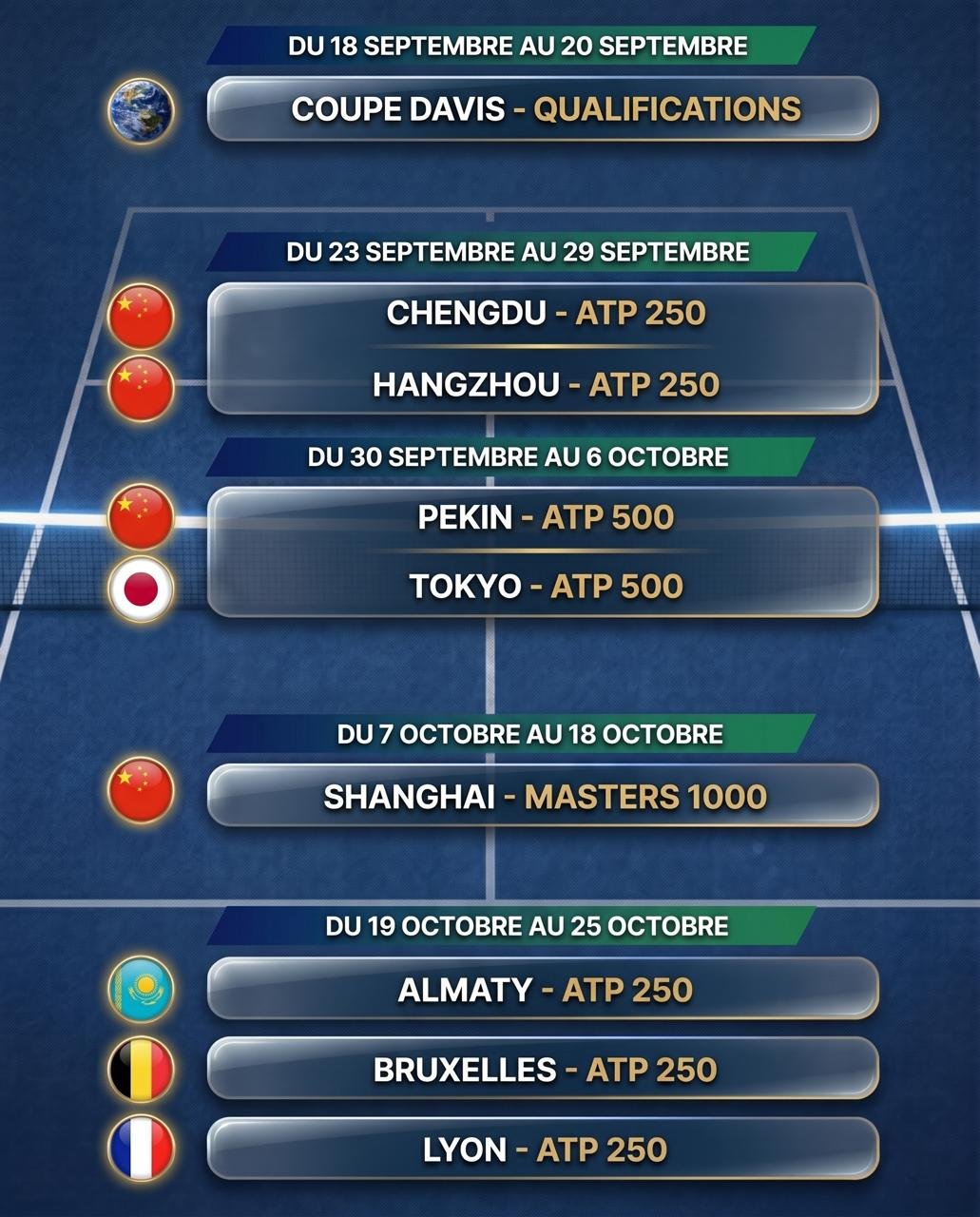
For players coming from Almaty (ultra-fast indoor) or Shanghai (extreme physical exhaustion), adapting to the slowness and tactics of Stockholm often poses a real challenge. They need to forget their attacking reflexes and relearn the measured-rhythm game.
Playing Conditions
Statistical Analysis
These figures place Stockholm among the worst serving results for indoor events. It is a tournament where serving provides almost no advantage.
Favored Profiles
The big servers and pure attackers will be neutralized by the slow court conditions.
Recent Champions
 Casper Ruud
 Tommy Paul
 Gaël Monfils