
Roland-Garros 2026
Analysis
Roland-Garros is the pinnacle of the clay court season. Two weeks in Paris, five sets for the men, a clay court that forgives no physical or mental weakness. It is the Grand Slam that is the most physically demanding, by far.
The Parisian clay courts play at an intermediate speed - faster than Barcelona or Monte-Carlo, but slower than Madrid. The bounce is high, the rallies are long, and you need to know how to vary the effects and heights of the ball to do damage. Since the installation of the roof on Chatrier, there is an additional factor: when the roof closes, the conditions change completely - it plays faster, lower, and surprises those who don't adapt to it.
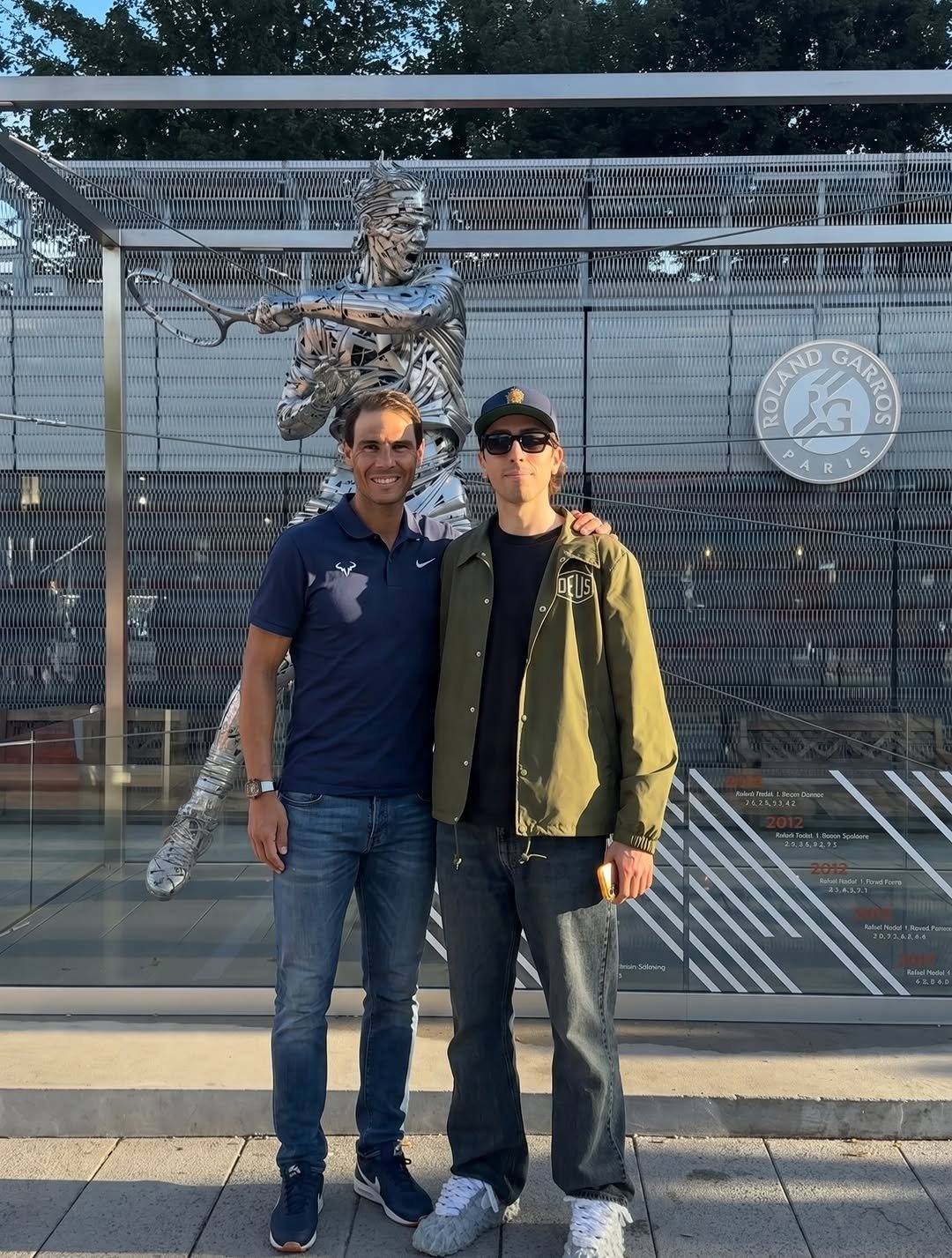
Nadal has won it 14 times, a record that we will probably never see again. Alcaraz has taken over (2024, 2025). The common point of all the winners here: an impeccable physical condition, a concrete mentality, and the ability to maintain their level for two full weeks.
The Parisian weather adds unpredictability: the rain can interrupt matches, the wind changes the trajectories, and the temperature differences between the start and end of the tournament influence the play. It's a parameter that many underestimate.
Playing Conditions
Statistical Analysis
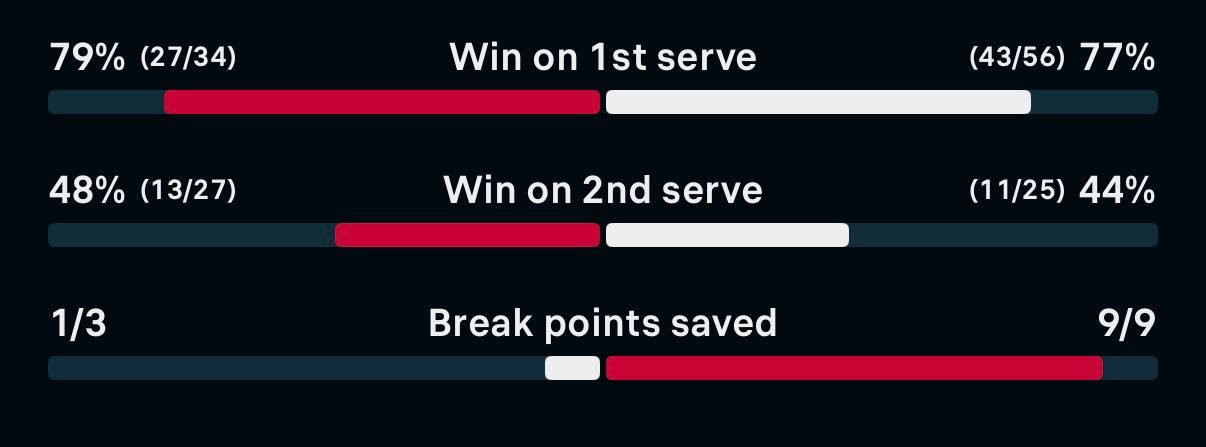
The stats are typical of clay courts, with very few aces (0.26 per game). Here, the serve alone is never enough — you have to know how to construct the point behind it.
Favored Profiles
Players who are too dependent on a single playing style risk being exposed.
Recent Champions
 Carlos Alcaraz
Carlos Alcaraz
Carlos Alcaraz Novak Djokovic
Tournament Details
Tournament Matches
No matches scheduled for this tournament.